
Rush Arena da Baixada – Curitiba, Brazil

frontend.pacotes.mais_info
The Canadian band Rush is widely recognized as one of the most influential and respected acts in the history of progressive rock and hard rock. Formed in 1968 in the city of Toronto, the group went through early lineup changes before solidifying its classic formation with Geddy Lee on bass, keyboards, and vocals, Alex Lifeson on guitar, and Neil Peart on drums and lyrics. This lineup would become one of the most stable and admired in rock history, remaining together for more than four decades—an exceptional achievement in the music industry.
At the beginning of their career, the band’s sound was heavily influenced by British hard rock, featuring strong guitar riffs and high-pitched vocals. Their self-titled debut album showcased a raw and direct style, but it was with the arrival of Neil Peart in 1974 that the group began to develop a more sophisticated and distinctive identity. Peart was not only a technically brilliant drummer; he also became the band’s primary lyricist, introducing complex themes that explored philosophy, science fiction, individualism, politics, freedom, and existential questions.
The album Fly by Night marked the beginning of this new phase, but it was with 2112 that Rush achieved broader international recognition. The title track, a more than twenty-minute suite inspired by dystopian storytelling, became a landmark of progressive rock. The album helped solidify the band’s reputation as bold and conceptual, especially at a time when record labels were pressuring artists to produce more commercially oriented material. The success of this release granted the group greater artistic freedom to explore long-form compositions, shifting time signatures, and intricate musical structures.
In the late 1970s, Rush released albums such as A Farewell to Kings and Hemispheres, further deepening their progressive sound with extended compositions, dense lyrics, and elaborate arrangements. Instrumental virtuosity became one of the trio’s defining characteristics. Geddy Lee stood out for his unique ability to sing in a high register while performing complex bass lines and simultaneously operating keyboards with both hands and feet. Alex Lifeson, meanwhile, developed a versatile guitar style, alternating between atmospheric passages, open chords, and expressive solos that helped shape the band’s sonic identity.
During the 1980s, Rush underwent a significant transformation by incorporating synthesizers more prominently into their music. Permanent Waves signaled a shift toward more concise songwriting, but it was with Moving Pictures that the band reached its commercial peak. This album featured songs that became enduring rock classics, such as “Tom Sawyer,” which combined powerful riffs, reflective lyrics, and a dynamic instrumental section. The record struck a balance between accessibility and technical sophistication, expanding the band’s audience without sacrificing musical complexity.
Throughout the decade, albums like Signals and Grace Under Pressure reflected influences from new wave and electronic music, while maintaining introspective and socially aware lyrics. The band addressed themes such as technological alienation, social pressure, and cultural change, always with a critical and intellectual perspective. Despite stylistic shifts, the trio preserved their artistic integrity and the high technical standard that defined their work.
In the 1990s, Rush gradually returned to a more guitar-driven sound, reducing the prominence of synthesizers. Roll the Bones demonstrated a willingness to experiment, even incorporating unconventional elements for a progressive rock band. However, the group faced a difficult period toward the end of the decade due to personal tragedies in Neil Peart’s life, leading to an extended hiatus from recording and touring.
The band returned in the early 2000s with Vapor Trails, marking a heavier and more emotionally charged phase. Later, Snakes & Arrows offered a balance between guitar-driven intensity and melodic moments, while Clockwork Angels presented an ambitious conceptual project that reaffirmed the trio’s creative vitality even after decades of activity. This final studio album was widely praised by critics and fans alike, demonstrating that the band could still innovate while remaining true to its essence.
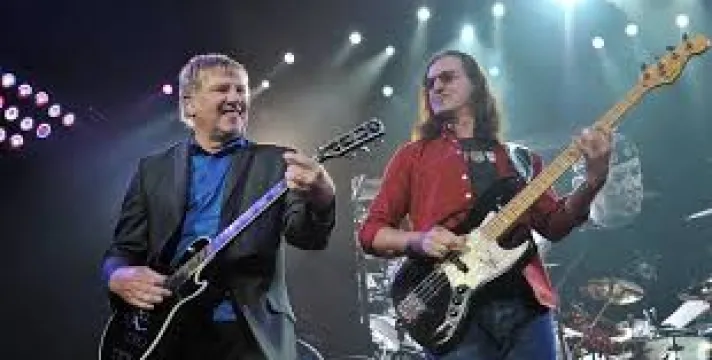
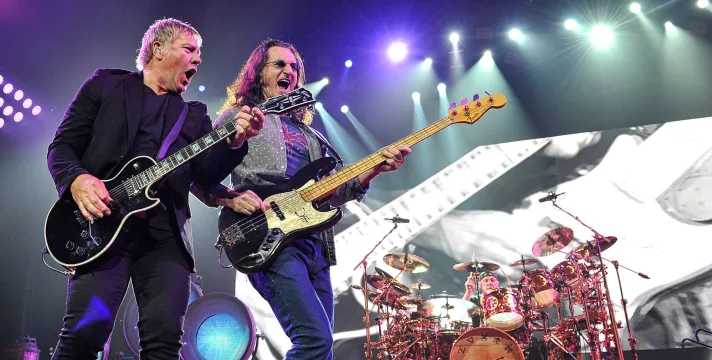
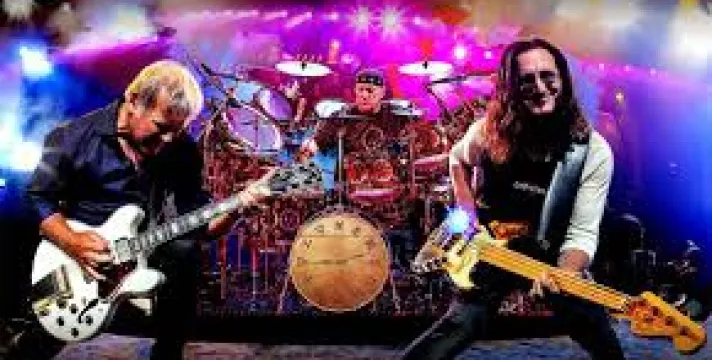
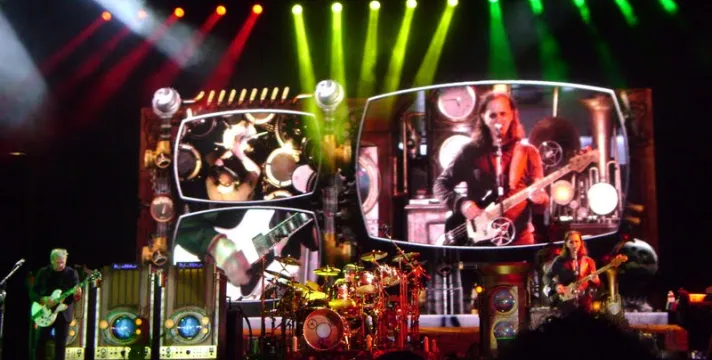
Beyond their studio output, Rush was renowned for their live performances. Their concerts were marked by remarkable technical precision and sonic fidelity, even when performing songs with highly complex structures. The chemistry among the three members was evident on stage, the result of years of collaboration and genuine friendship. The band was also known for its sense of humor, often displayed through humorous video segments projected during tours.
In 2015, Rush embarked on what would become their farewell tour, officially ending their activities shortly thereafter. The death of Neil Peart in 2020 definitively closed the chapter on any possibility of reunion. The legacy left by Rush is vast and deeply influential, impacting generations of musicians across multiple genres, from heavy metal to alternative rock. Their combination of technical virtuosity, lyrical depth, and artistic courage firmly established the band as one of the most important acts in rock history. Even after the conclusion of their career, their body of work continues to be celebrated by fans around the world, reaffirming the Canadian trio’s place as a benchmark of creativity, consistency, and musical excellence.
frontend.geral.event_name: Rush
frontend.geral.when_happen: 22/01/2027 ~ 22/01/2027
frontend.geral.where_happen: Arena da Baixada – Curitiba, Brazil
Venue
Notes
The Canadian band Rush is widely recognized as one of the most influential and respected acts in the history of progressive rock and hard rock. Formed in 1968 in the city of Toronto, the group went through early lineup changes before solidifying its classic formation with Geddy Lee on bass, keyboards, and vocals, Alex Lifeson on guitar, and Neil Peart on drums and lyrics. This lineup would become one of the most stable and admired in rock history, remaining together for more than four decades—an exceptional achievement in the music industry.
At the beginning of their career, the band’s sound was heavily influenced by British hard rock, featuring strong guitar riffs and high-pitched vocals. Their self-titled debut album showcased a raw and direct style, but it was with the arrival of Neil Peart in 1974 that the group began to develop a more sophisticated and distinctive identity. Peart was not only a technically brilliant drummer; he also became the band’s primary lyricist, introducing complex themes that explored philosophy, science fiction, individualism, politics, freedom, and existential questions.
The album Fly by Night marked the beginning of this new phase, but it was with 2112 that Rush achieved broader international recognition. The title track, a more than twenty-minute suite inspired by dystopian storytelling, became a landmark of progressive rock. The album helped solidify the band’s reputation as bold and conceptual, especially at a time when record labels were pressuring artists to produce more commercially oriented material. The success of this release granted the group greater artistic freedom to explore long-form compositions, shifting time signatures, and intricate musical structures.
In the late 1970s, Rush released albums such as A Farewell to Kings and Hemispheres, further deepening their progressive sound with extended compositions, dense lyrics, and elaborate arrangements. Instrumental virtuosity became one of the trio’s defining characteristics. Geddy Lee stood out for his unique ability to sing in a high register while performing complex bass lines and simultaneously operating keyboards with both hands and feet. Alex Lifeson, meanwhile, developed a versatile guitar style, alternating between atmospheric passages, open chords, and expressive solos that helped shape the band’s sonic identity.
During the 1980s, Rush underwent a significant transformation by incorporating synthesizers more prominently into their music. Permanent Waves signaled a shift toward more concise songwriting, but it was with Moving Pictures that the band reached its commercial peak. This album featured songs that became enduring rock classics, such as “Tom Sawyer,” which combined powerful riffs, reflective lyrics, and a dynamic instrumental section. The record struck a balance between accessibility and technical sophistication, expanding the band’s audience without sacrificing musical complexity.
Throughout the decade, albums like Signals and Grace Under Pressure reflected influences from new wave and electronic music, while maintaining introspective and socially aware lyrics. The band addressed themes such as technological alienation, social pressure, and cultural change, always with a critical and intellectual perspective. Despite stylistic shifts, the trio preserved their artistic integrity and the high technical standard that defined their work.
In the 1990s, Rush gradually returned to a more guitar-driven sound, reducing the prominence of synthesizers. Roll the Bones demonstrated a willingness to experiment, even incorporating unconventional elements for a progressive rock band. However, the group faced a difficult period toward the end of the decade due to personal tragedies in Neil Peart’s life, leading to an extended hiatus from recording and touring.
The band returned in the early 2000s with Vapor Trails, marking a heavier and more emotionally charged phase. Later, Snakes & Arrows offered a balance between guitar-driven intensity and melodic moments, while Clockwork Angels presented an ambitious conceptual project that reaffirmed the trio’s creative vitality even after decades of activity. This final studio album was widely praised by critics and fans alike, demonstrating that the band could still innovate while remaining true to its essence.
Beyond their studio output, Rush was renowned for their live performances. Their concerts were marked by remarkable technical precision and sonic fidelity, even when performing songs with highly complex structures. The chemistry among the three members was evident on stage, the result of years of collaboration and genuine friendship. The band was also known for its sense of humor, often displayed through humorous video segments projected during tours.
In 2015, Rush embarked on what would become their farewell tour, officially ending their activities shortly thereafter. The death of Neil Peart in 2020 definitively closed the chapter on any possibility of reunion. The legacy left by Rush is vast and deeply influential, impacting generations of musicians across multiple genres, from heavy metal to alternative rock. Their combination of technical virtuosity, lyrical depth, and artistic courage firmly established the band as one of the most important acts in rock history. Even after the conclusion of their career, their body of work continues to be celebrated by fans around the world, reaffirming the Canadian trio’s place as a benchmark of creativity, consistency, and musical excellence.
frontend.seo.label_end_package
All service offers for the event Rush are provided by companies with years of experience in tourism — whether they are transportation, receptive, or hospitality companies.
Payment methods vary from full payment in cash to installments with or without a credit card, reaching up to 12 equal payments, depending on the start date of your trip.
Purchasing a package for Rush is very simple. The first step is to register on our website, and after validating your account, log in and follow the steps below:
- Step 1: Select the number of passengers.
- Step 2: Choose the type of package — from simple options like BUS TRIP, HOTELS, and SHUTTLE to more complete experiences such as EXPERIENCE packages with multiple services already included.
- Step 3: Select the day(s) of the event, festival, or show you wish to attend.
After selecting your preferences, our system will search and display the available options based on your choices.
Depending on your package selection, additional services may be offered — such as tickets, travel insurance, local transfers, and several other services provided by our partners. These can be added individually for each passenger.
Just follow the steps to fully customize your package and proceed to the final payment stage.
Still have questions about our packages?
Our support channels are always available to help clarify any questions before you complete your purchase: